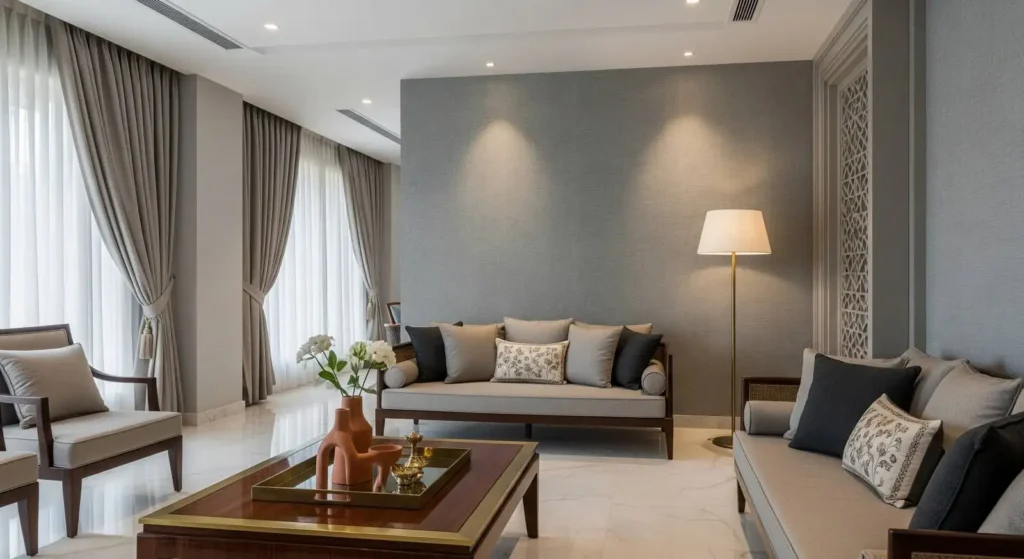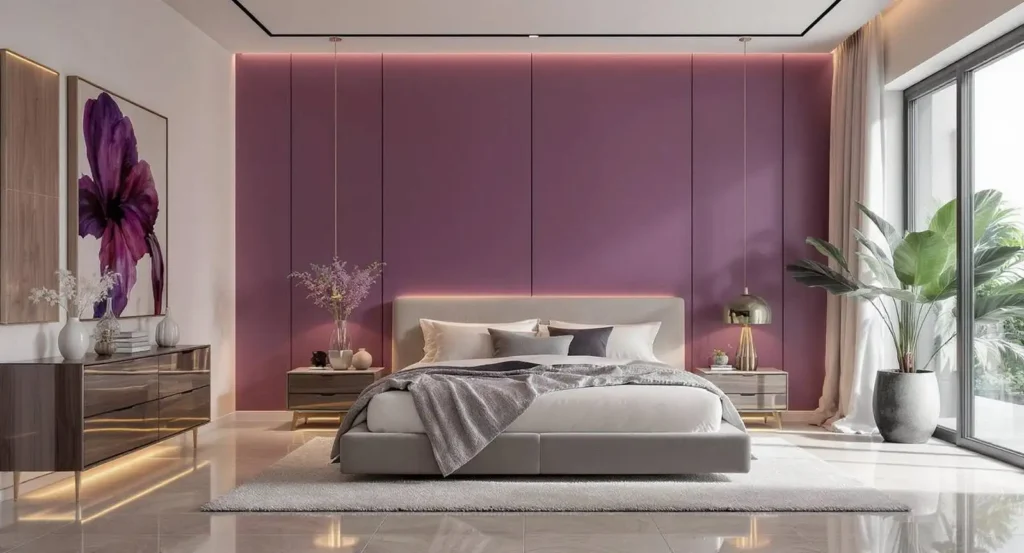
Creating a luxurious home does not always require expensive furniture, imported materials, or a complete renovation. Sometimes, the difference between an ordinary interior and an elegant one comes down to thoughtful planning, the right colour combinations, good lighting, and carefully selected details.
For homeowners in Nigeria, achieving a high-end look on a budget is possible with the right approach. Whether you live in a compact apartment in Lagos, a family home in Abuja, or a newly furnished property in Port Harcourt, you can create a refined interior that feels comfortable, sophisticated, and personal without stretching your finances.
The secret to affordable luxury interior design is knowing where to invest, what to simplify, and how to make every element work together.
At Luxe Abode, we believe luxury is not simply about how much you spend. It is about how a space looks, feels, and functions. Here are practical ways to make your home feel luxurious without overspending.
1. Start With a Clear Design Plan
Before buying new furniture or decorative accessories, decide how you want your home to look and feel.
Without a clear plan, it is easy to purchase attractive items that do not work well together. You might end up with mismatched colours, oversized furniture, unnecessary decorations, and expenses that do little to improve the overall space.
Start by identifying your preferred interior style. You might love contemporary minimalism, warm modern interiors, understated elegance, or a combination of modern and traditional Nigerian design elements.
Create a simple mood board using images, fabric samples, paint colours, and furniture inspiration. Look for common elements across the images you like, such as neutral colours, natural textures, curved furniture, warm lighting, or clean lines.
Next, decide which rooms need the most attention and establish a realistic budget.
A design plan helps you prioritise purchases, avoid unnecessary replacements, and achieve a more cohesive result.
2. Use a Coordinated Colour Palette
Colour has a significant influence on how a home feels. A coordinated palette can make a room appear more polished, spacious, and thoughtfully designed.
For an affordable luxury interior, consider using a simple combination of two or three main colours, supported by complementary textures and accent shades.
Popular combinations include:
- Cream, beige, and warm brown for a soft, welcoming interior.
- White, charcoal, and natural wood for a contemporary look.
- Greige, muted green, and brass accents for understated elegance.
- Warm white, taupe, and black for a refined modern aesthetic.
- Sand, terracotta, and natural wood for an earthy, relaxed atmosphere.
You do not need to repaint every room to create a more luxurious appearance. Sometimes, refreshing a feature wall, coordinating curtains with existing furniture, or introducing matching cushions can make a noticeable difference.
When choosing paint, consider how natural and artificial light affect the colour throughout the day. Test samples on the wall before committing to a full application.
The goal is not to use expensive colours. It is to create harmony between the walls, furniture, flooring, fabrics, and accessories.
3. Improve Lighting for a More Refined Atmosphere
Lighting can dramatically change the appearance of a room. Even attractive furniture and finishes may look ordinary under harsh or poorly positioned lighting.
Instead of relying on a single bright ceiling light, combine different sources of illumination to create depth and comfort.
Consider these options:
Ambient lighting: Provides general illumination throughout the room.
Task lighting: Supports specific activities, such as reading, cooking, or working.
Accent lighting: Draws attention to artwork, architectural features, shelves, or decorative objects.
Table lamps, floor lamps, wall lights, and appropriately selected pendant lights can introduce warmth and visual interest without requiring major renovations.
Choose warm or neutral-white lighting according to the room’s purpose and the atmosphere you want to create. For living rooms and bedrooms, warmer light can create a relaxed environment, while kitchens and work areas may benefit from lighting that supports visibility and practical tasks.
Whenever possible, make good use of natural daylight. Clean windows, lightweight curtains, and furniture arrangements that do not block windows can help a room feel brighter and more inviting.
Before installing new lighting, confirm that the existing electrical system can safely support the proposed fittings.
4. Choose Furniture That Looks Good and Fits Properly
Luxury is not determined by the price of a sofa or the brand of a dining table. Proportion, comfort, condition, and placement are equally important.
An oversized sofa can make a small living room feel cramped, while a tiny rug may make an otherwise beautiful seating area appear disconnected.
Measure your rooms before purchasing furniture. Consider walking space, door openings, window positions, and how people will move through the room.
When working with a limited budget, prioritise the pieces that have the greatest visual and practical impact.
For example, a comfortable sofa, a well-proportioned bed, or a functional dining table may deserve more attention than several decorative side tables.
You can also improve existing furniture rather than replacing everything. Reupholstering a worn chair, replacing cabinet handles, repairing damaged woodwork, or refreshing a sturdy coffee table may offer better value than buying new pieces.
Choose furniture with clean lines, suitable proportions, and finishes that complement the rest of the room.
A well-arranged home with a few carefully selected pieces often feels more luxurious than a crowded room filled with expensive items.
5. Use Curtains and Soft Furnishings to Add Elegance
Soft furnishings help introduce texture, warmth, and visual depth into an interior.
Curtains, cushions, rugs, bedding, and throws can make a space feel more complete without requiring structural changes.
For a more refined appearance, consider full-length curtains that suit the height and proportions of the windows. Choose fabrics that drape well and coordinate with the room’s colour palette.
Layering different textures can also create a richer look. For example, combine smooth cotton, textured cushions, a soft rug, and a woven throw without introducing too many competing patterns.
In bedrooms, coordinated bedding, neatly arranged pillows, and well-fitted curtains can create a calm, hotel-inspired atmosphere.
You do not need to purchase everything at once. Start with the items that will have the greatest effect, then add complementary pieces as your budget allows.
Pay attention to finishing details, such as curtain length, straight hems, properly sized rugs, and clean upholstery. These small elements can influence the overall impression of quality.
6. Declutter and Style With Intention
One of the simplest ways to make a home feel more luxurious is to remove unnecessary clutter.
Crowded surfaces, tangled cables, overflowing shelves, and too many decorative accessories can make even a well-furnished room feel disorganised.
Start by clearing countertops, dining tables, bedside tables, and other visible surfaces. Keep the items you use regularly and store the rest in suitable cabinets, drawers, or baskets.
Use trays to organise small objects, baskets to conceal everyday items, and closed storage to keep frequently used spaces tidy.
When decorating, remember that every surface does not need an accessory. A carefully arranged coffee table with a book, a small decorative object, and a simple vase may look more sophisticated than a collection of unrelated items.
Artwork, mirrors, and decorative objects should complement the room rather than compete for attention.
The aim is to create a home that feels intentional and easy to maintain, not a space that looks like a showroom and cannot accommodate everyday living.
7. Introduce Mirrors, Artwork, and Statement Pieces
You do not need to fill your home with expensive artwork or designer accessories to create visual interest.
A well-positioned mirror can reflect natural light and make a room feel more open. A framed print or a piece of locally produced artwork can introduce personality. A distinctive pendant light, sculptural vase, or elegant headboard can become a focal point.
Instead of purchasing many inexpensive decorative items, consider investing in one or two pieces that make a meaningful contribution to the room.
For Nigerian homes, locally available artwork, handcrafted accessories, and well-made furniture can add character while supporting local creatives and craftspeople.
Choose statement pieces that suit the scale of the room. An artwork that is too small for a large wall may appear disconnected, while an oversized object can overwhelm a compact space.
Before buying anything new, look around your home. You may already own a piece that could become more effective simply by changing its position or giving it a more suitable setting.
8. Pay Attention to Finishes and Maintenance
A luxurious appearance depends partly on how well a space is maintained.
Peeling paint, damaged cabinet edges, loose handles, stained grout, broken switches, and worn upholstery can make an interior feel neglected even when the furniture itself is attractive.
Before spending money on new decorations, identify the small repairs that will improve the overall condition of your home.
You might need to:
- Touch up scuffed walls and repaint damaged areas.
- Repair loose cabinet handles and hinges.
- Clean tile grout and remove avoidable stains.
- Replace damaged light fittings or switches.
- Repair leaking taps and address moisture problems.
- Deep-clean upholstery, rugs, and curtains.
- Organise exposed cables and improve storage.
In Nigeria’s climate, moisture management and ventilation are particularly important. Persistent dampness can damage paint, fabrics, wooden furniture, and cabinetry. Address the source of moisture rather than simply covering visible stains.
Keeping surfaces clean, fittings functional, and finishes in good condition can contribute more to a refined interior than adding another layer of decoration.
9. Invest in the Details That Matter Most
Affordable luxury interior design is about allocating your budget wisely.
Rather than spending equally on every room and every item, identify the upgrades that will have the greatest impact on appearance, comfort, and daily use.
For one homeowner, that might mean improving the living room lighting and replacing worn curtains. For another, it could mean installing practical kitchen storage or creating a more comfortable bedroom.
Consider dividing your budget into three categories:
Essential improvements: Repairs, safety issues, functional lighting, and storage problems.
High-impact upgrades: Furniture, curtains, selected finishes, rugs, and key lighting features.
Finishing touches: Artwork, decorative accessories, cushions, plants, and smaller styling details.
Complete the essential improvements first. Once the space is functional and in good condition, move on to the upgrades that will make the biggest visual difference.
This approach prevents unnecessary spending and gives you greater flexibility when priorities change.
10. Renovate and Decorate in Phases
You do not have to complete every room at once to achieve a luxurious home.
A phased design approach allows you to spread expenses over time while maintaining a clear vision for the entire property.
For example, you could begin with repairs, painting, and space planning. In the next phase, you might improve lighting, curtains, and key furniture pieces. Later, you could add artwork, accessories, custom cabinetry, or more specialised finishes.
The important thing is to plan the phases together rather than making disconnected decisions each time money becomes available.
Keep your intended colour palette, furniture dimensions, material choices, and overall style consistent across the project. This will help the home feel cohesive even when different rooms are completed at different times.
Where possible, complete work in an order that avoids damaging finished areas. If a renovation involves plumbing, electrical work, ceiling alterations, or other construction, plan these tasks before installing new furniture and decorative finishes.
A phased approach is particularly useful for first-time homeowners, families working within a fixed budget, and property owners who want to upgrade an investment property without undertaking a full renovation immediately.
11. Consider Professional Design Support
Professional interior design is not only for homeowners undertaking expensive, full-scale renovations.
A designer can help you identify what needs to change, what can stay, and where your money will make the greatest difference.
Instead of replacing furniture unnecessarily, you might benefit from a better layout, a coordinated colour scheme, improved lighting, or a few carefully selected finishes.
Professional support can also help you avoid common mistakes, such as purchasing furniture that does not fit, choosing incompatible materials, or spending too much on decorative items before addressing functional problems.
At Luxe Abode, our approach focuses on creating interiors that balance style, comfort, practicality, and value. Depending on your project needs, you can focus on selected rooms or plan a broader transformation in manageable stages.
You do not need to have every detail figured out before seeking guidance. Understanding your goals, available space, and budget is a useful starting point.
Final Thoughts
Making a home feel luxurious without overspending is possible when you focus on thoughtful choices rather than expensive purchases.
Start with a clear plan, coordinate your colours, improve lighting, select furniture that fits, and use soft furnishings to introduce warmth and texture. Keep surfaces organised, maintain your finishes, and invest in the details that matter most to your lifestyle.
Most importantly, give yourself permission to work within your budget. A beautiful home does not have to be completed in a single project, and it does not need to follow every interior design trend.
With careful planning and the right support, you can create a space that feels elevated, comfortable, and personal without unnecessary expense.
Ready to elevate your home without overspending?
Luxe Abode offers thoughtful interior design solutions tailored to your space, style, and budget. Whether you need help with furniture layout, material selection, colour coordination, or a phased home transformation, we can help you make more confident design decisions.
Visit Luxe Abode to explore how thoughtful design can help you create a home that feels refined, functional, and distinctly yours.
Frequently Asked Questions
1. How can I make my home look luxurious on a small budget?
Start by decluttering, coordinating your colours, improving lighting, and arranging furniture properly. Refreshing existing furniture, adding well-fitted curtains, repairing damaged finishes, and selecting a few statement accessories can also create a more refined appearance without requiring a complete renovation.
2. Which colours make a home look expensive?
Cream, warm white, beige, taupe, greige, and muted earth tones can create an elegant foundation. Darker accents, natural wood, and carefully selected metallic details can add contrast. The best combination depends on the room’s lighting, size, existing finishes, and your personal style.
3. Can I create a luxurious interior without buying new furniture?
Yes. You can rearrange existing furniture, repair damaged pieces, replace outdated handles, refresh upholstery, improve lighting, and introduce coordinated soft furnishings. Removing clutter and creating a more balanced layout can also improve the appearance of a room.
4. What is phased interior design?
Phased interior design involves planning a larger transformation and completing it in stages according to your priorities and budget. For example, you might begin with essential repairs and space planning, then upgrade furniture and lighting before adding decorative accessories and final styling.
5. Is hiring an interior designer worth it when working with a limited budget?
It can be valuable because a designer can help you prioritise improvements, avoid unsuitable purchases, coordinate finishes, and make better use of your space. You can discuss the level of support you need and focus on the rooms or decisions that matter most.
6. How can I make a small apartment feel more luxurious?
Choose appropriately sized furniture, use a consistent colour palette, maximise natural light, and keep walkways clear. Mirrors, layered lighting, vertical storage, well-fitted curtains, and a few carefully selected decorative pieces can help a small apartment feel more spacious and organised.
7. What should I upgrade first when decorating on a budget?
Address essential repairs and maintenance first. Then prioritise the improvements that will have the greatest impact, such as lighting, furniture arrangement, curtains, paint, and storage. Decorative accessories can be added gradually once the main elements are in place.