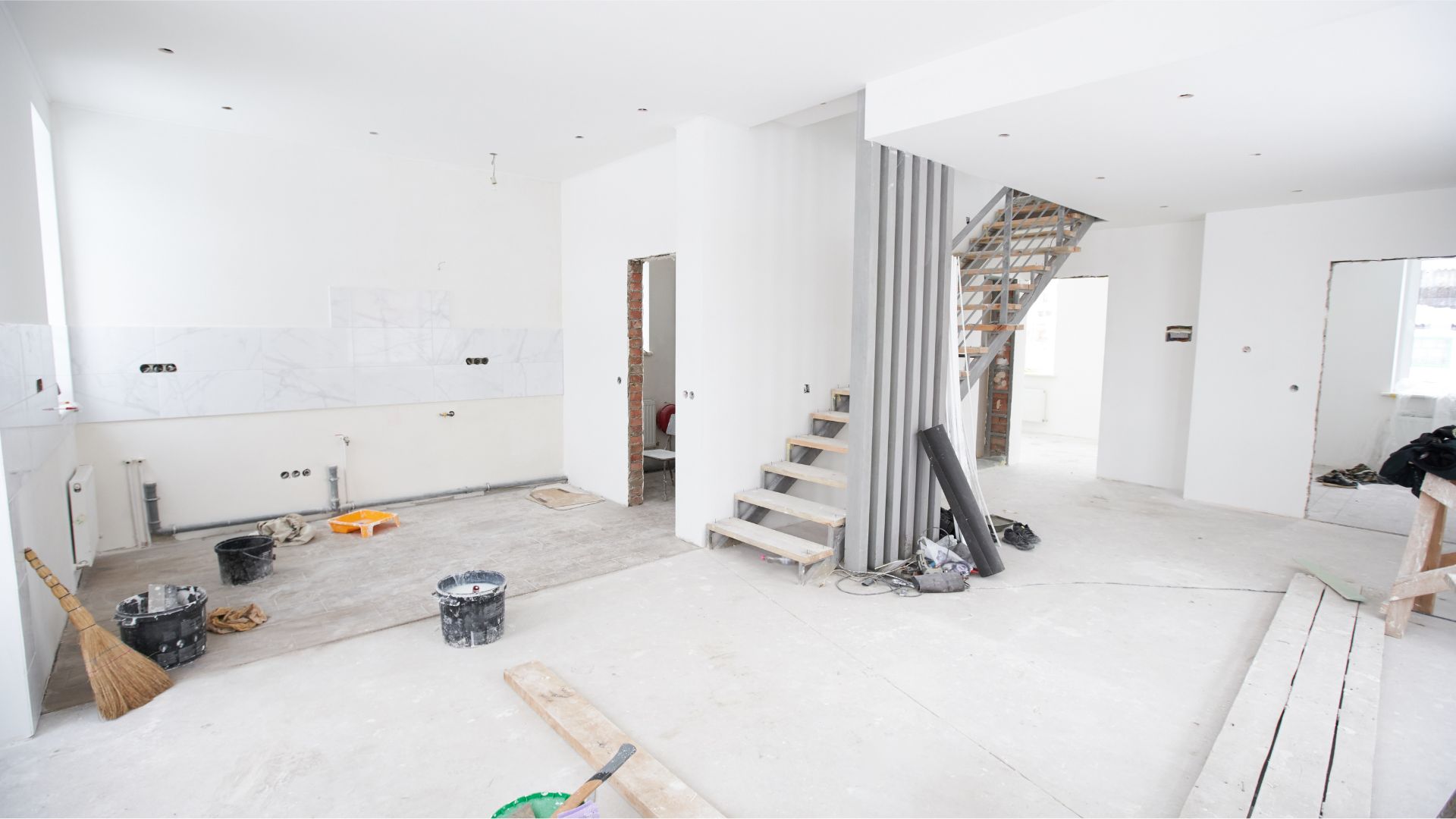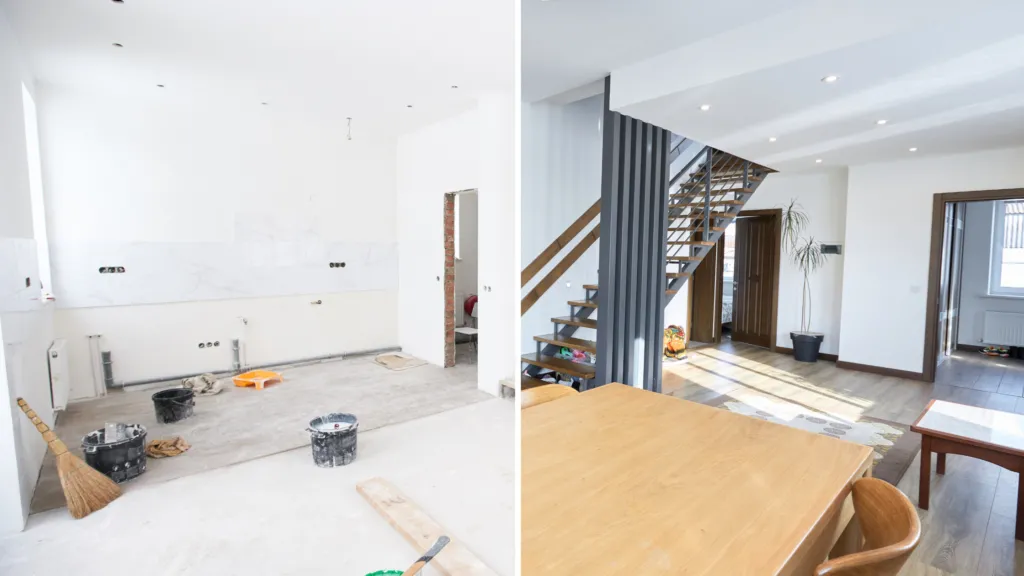
Renovating a house in Nigeria can be an exciting opportunity to improve your comfort, upgrade your interiors, and make better use of your available space. Whether you are updating a family home in Lagos, refreshing an apartment in Abuja, or improving an investment property in Port Harcourt, proper planning can help you avoid unnecessary expenses and disappointing results.
Before renovating a house, it is important to understand the property’s current condition, identify the improvements that matter most, establish a realistic budget, and determine the right renovation scope. Starting work without these steps can lead to unexpected repairs, poor space planning, material wastage, and costly changes halfway through the project.
At Luxe Abode, we believe every successful renovation begins with a clear understanding of your space, your lifestyle, and your budget. This guide explains what to do before renovating a house in Nigeria so you can make informed decisions and approach your project with confidence.
1. Assess the Current Condition of the House
The first step before renovating a house is to assess its existing condition. A property may look attractive on the surface while hiding problems that could affect the renovation budget or the final result.
Start by inspecting the major areas of the house, including the walls, ceilings, floors, windows, doors, plumbing, electrical installations, and roofing where accessible.
Look out for:
- Cracks in walls and ceilings that may require professional assessment.
- Damp patches, mould, peeling paint, or water stains.
- Leaking roofs, damaged ceilings, and poor drainage.
- Faulty electrical fittings, exposed wiring, or insufficient power outlets.
- Leaking pipes, blocked drains, and outdated bathroom fittings.
- Damaged floor tiles, loose fittings, and deteriorating woodwork.
- Windows and doors that no longer close properly.
Pay particular attention to moisture problems. In many Nigerian homes, water penetration, inadequate ventilation, and drainage issues can damage paint, furniture, cabinetry, and other interior finishes.
Do not simply cover up damp walls with fresh paint or install new cabinets over an unresolved plumbing problem. Address the underlying cause before investing in cosmetic improvements.
For major cracks, persistent water penetration, structural concerns, or potentially unsafe electrical installations, consult an appropriately qualified professional before proceeding.
2. Define Your Renovation Goals
Before renovating a house, identify exactly what you want to achieve. Without clear goals, it is easy to spend money on attractive upgrades while overlooking improvements that would make the property more functional.
Your objectives will depend on how you use the house.
For example, a family renovating its home may want a more organised kitchen, additional storage, comfortable bedrooms, and a better living room layout. A landlord preparing a property for tenants may prioritise durable finishes, functional bathrooms, and improvements that support long-term maintenance.
An apartment owner preparing a shortlet may focus on furniture selection, lighting, storage, guest comfort, and a cohesive interior style.
Write down your main renovation objectives and arrange them in order of importance.
Consider these questions:
- What currently frustrates you about the house?
- Which rooms need the most attention?
- Do you need more storage or better use of existing space?
- Are you renovating for personal comfort, resale, rental income, or shortlet use?
- Which existing features can be retained?
- What would make the biggest difference within your budget?
Having clear answers will help you make better decisions when selecting materials, planning layouts, and deciding which improvements to complete first.
3. Establish a Realistic Renovation Budget
Your budget should be based on the actual condition of the property and the scope of work, not just the amount you hope to spend.
Renovation costs in Nigeria vary depending on location, property size, labour charges, material quality, transportation, and the complexity of the work. Prices can also change, so obtain current quotations before committing to a project.
Your renovation budget should account for the following:
Materials: Paint, tiles, flooring, lighting, sanitary fittings, cabinetry, furniture, curtains, and decorative accessories.
Labour: Payments for qualified tradespeople, installers, painters, carpenters, electricians, plumbers, and other specialists.
Professional services: Interior design, architectural input, structural assessments, engineering, and project supervision where required.
Logistics: Transportation, material delivery, waste removal, and other site-related expenses.
Contingency: An additional allowance for unforeseen repairs or changes discovered during the renovation.
A contingency of around 10% to 20% can be a useful planning starting point, although older properties or houses with uncertain structural or plumbing conditions may require a larger allowance.
Avoid spending your entire budget on visible finishes before accounting for essential repairs. A beautiful living room will offer limited value if the roof still leaks or the electrical system needs urgent attention.
At Luxe Abode, thoughtful planning helps homeowners balance appearance, functionality, quality, and affordability without losing sight of their priorities.
4. Create a Clear Renovation Scope
A renovation scope is a detailed description of the work you intend to carry out. It helps everyone involved understand what is included in the project and what is outside its boundaries.
For example, saying that you want to renovate your kitchen is not specific enough. Does the project involve repainting the walls, replacing cabinet doors, installing new countertops, changing the floor tiles, improving lighting, or redesigning the entire layout?
Each decision affects the cost, materials, timeline, and people required.
Your renovation scope should identify:
- The rooms and areas to be renovated.
- Repairs that must be completed before finishing work begins.
- Fixtures, fittings, and furniture to be replaced or retained.
- Changes to storage, furniture layout, and space utilisation.
- Required plumbing and electrical work.
- Painting, flooring, lighting, and finishing requirements.
- Any structural alterations requiring professional design and approval.
- Work that can be postponed to a later phase.
Separate your list into essential repairs, important improvements, and optional upgrades.
This approach makes it easier to control spending when unexpected costs arise. It also helps prevent scope creep, which occurs when additional tasks are continually introduced after work has started.
5. Develop a Renovation Inspection Checklist
A renovation inspection checklist helps you record the condition of each room and identify work that needs attention before construction or installation begins.
Use the following checklist during your initial assessment.
Living room and dining area
- Inspect walls and ceilings for cracks, dampness, and peeling paint.
- Check flooring for damaged tiles or uneven surfaces.
- Assess natural lighting and existing light fittings.
- Review furniture placement and movement between spaces.
- Identify opportunities for storage and better furniture arrangement.
Kitchen
- Inspect cabinets, hinges, handles, and work surfaces.
- Check taps, sinks, pipes, and drainage.
- Review electrical outlets and appliance locations.
- Assess ventilation and task lighting.
- Determine whether the existing layout supports efficient movement.
Bedrooms
- Inspect wardrobes, doors, windows, and floor finishes.
- Check walls for moisture and damaged paint.
- Review storage requirements and bed placement.
- Assess lighting, ventilation, and access to power outlets.
- Identify opportunities to improve comfort without overcrowding the room.
Bathrooms and toilets
- Check for leaking pipes, blocked drains, and poor water flow.
- Inspect tiles, grout, waterproofing concerns, and sanitary fittings.
- Look for damp patches and signs of water penetration.
- Assess ventilation and lighting.
- Confirm that fixtures are functional and properly positioned.
Exterior and building services
- Inspect accessible roof areas and ceilings for signs of leakage.
- Check drainage around the property.
- Assess doors, windows, and external finishes.
- Review electrical safety and plumbing concerns with qualified professionals.
- Identify any structural issues requiring further investigation.
Document your findings with photographs and notes. This gives you a useful reference when discussing the project with contractors and interior designers.
6. Plan the Layout Before Buying Furniture or Materials
One of the most common renovation mistakes is purchasing furniture, tiles, lighting, or cabinetry before confirming the layout.
A sofa may look perfect in a showroom but overwhelm your living room. A wardrobe may provide sufficient storage but leave too little space for comfortable movement. Kitchen cabinets may look attractive but interfere with appliance placement or access to plumbing.
Before making purchases, measure each room and prepare a practical layout.
Consider the dimensions of existing furniture, door swings, window positions, walking routes, electrical outlets, and the location of plumbing connections. Think about how each room will be used daily rather than planning around appearance alone.
For smaller Nigerian apartments, thoughtful space planning can make a considerable difference. Multi-functional furniture, well-designed wardrobes, vertical storage, and appropriate lighting can help a compact space feel more organised without requiring major structural changes.
An interior designer can help you determine which furniture sizes, finishes, colours, and arrangements will work best for your property.
7. Choose Materials That Suit Your Budget and Lifestyle
The cheapest material is not always the most economical choice over time. Equally, expensive finishes do not automatically guarantee a better renovation.
Choose materials based on durability, maintenance requirements, suitability for the space, and the amount you can comfortably spend.
For example, kitchen countertops should withstand regular use and be easy to maintain. Bathroom finishes should be suitable for wet environments, while flooring should match the room’s traffic levels and cleaning requirements.
When comparing materials, consider:
- Purchase and installation costs.
- Durability and expected maintenance.
- Resistance to moisture and everyday wear.
- Availability of replacement parts or matching finishes.
- Cleaning requirements.
- Compatibility with the existing property.
If you are renovating in Nigeria, confirm local availability and delivery timelines before selecting specialised products. Imported materials and custom-made fittings may involve longer lead times, exchange-rate fluctuations, and additional transportation costs.
Request samples where possible and compare finishes under the actual lighting conditions in your home. This can help you avoid mismatched colours and materials after installation.
8. Select the Right Contractor and Professionals
The people carrying out your renovation can significantly influence the quality, cost, and timing of the finished project.
Do not select a contractor based on price alone. Request references, review previous projects, and establish whether the contractor has experience with work of a similar scale and complexity.
Before agreeing to proceed, clarify:
- The full scope of work.
- The materials included in the quotation.
- Labour costs and payment milestones.
- The expected start and completion dates.
- Responsibility for material procurement.
- Site supervision and quality checks.
- How additional work and unexpected costs will be approved.
- Arrangements for cleaning and waste removal.
Get important agreements in writing. Avoid making large payments without a clear understanding of what the money covers, and keep records of quotations, receipts, and changes to the agreed scope.
Some projects may also require an architect, structural engineer, quantity surveyor, electrician, plumber, or other qualified specialist. Structural alterations and regulated building work should be assessed and handled by appropriately qualified professionals, with relevant approvals obtained where required.
An interior designer can coordinate the visual and functional aspects of the renovation, helping ensure that furniture, finishes, lighting, and layouts work together as intended.
9. Establish a Practical Renovation Timeline
Renovation work should follow a logical sequence. Starting the wrong task too early can result in damaged finishes, wasted materials, and additional labour costs.
A typical renovation sequence may include:
- Property inspection and assessment.
- Scope definition, budgeting, and design planning.
- Structural repairs and essential building work.
- Plumbing and electrical work.
- Waterproofing and other necessary preparation.
- Ceiling, plastering, and surface preparation.
- Painting, flooring, and other finishing work.
- Cabinetry, lighting, sanitary fittings, and furniture installation.
- Final inspection, corrections, and cleaning.
The exact order will depend on the type of renovation and the condition of the house.
Agree on a realistic timeline with your contractor and identify which materials need to be ordered in advance. Custom cabinetry, specialised tiles, imported fittings, and made-to-measure furniture may require additional preparation time.
If you intend to remain in the house during the renovation, discuss access to essential facilities, noise, dust control, storage, and the possibility of temporarily relocating from affected rooms.
10. Prepare for Unexpected Problems
Even a carefully planned renovation can uncover hidden issues once work begins. Removing old cabinets, lifting tiles, or opening ceilings may reveal leaking pipes, damaged wiring, deteriorated surfaces, or previous repairs that were poorly executed.
This is why assessment, contingency budgeting, and clear communication are essential.
Agree with your contractor on how newly discovered problems will be handled. Work affecting safety or the long-term condition of the property should be evaluated before deciding whether to proceed with cosmetic improvements.
When an unexpected issue arises, request an explanation of the problem, the proposed solution, the additional cost, and any effect on the timeline. Approve changes before the extra work begins, except where immediate action is necessary to address an urgent safety issue.
Avoid making rushed decisions simply to keep the project moving. A short delay to understand the problem may prevent more expensive complications later.
11. Consider Professional Interior Design Support
A successful renovation involves more than repairing damaged surfaces or replacing old furniture. The finished space should be functional, visually cohesive, comfortable, and appropriate for the people who use it.
Professional interior design support can help you make decisions about:
- Space planning and furniture arrangement.
- Colour coordination and material selection.
- Lighting placement and ambience.
- Kitchen, wardrobe, and storage design.
- Furniture selection and sizing.
- Finishes that balance appearance, durability, and cost.
- Styling that creates a polished and consistent look.
You do not necessarily need to renovate every room at once. If your budget is limited, professional guidance can help you identify the most important improvements and organise the project into manageable phases.
This is particularly useful for homeowners who want a refined interior without unnecessary spending. With the right planning, even small changes to furniture placement, lighting, wall finishes, and storage can improve the way a space looks and feels.
Final Thoughts
Knowing what to do before renovating a house in Nigeria can help you avoid preventable mistakes, manage your budget, and achieve a result that suits your lifestyle.
Begin with a detailed property assessment, establish your goals, prepare a realistic budget, and define the renovation scope. Use an inspection checklist to document existing problems, plan the layout before purchasing materials, and work with qualified professionals who understand your requirements.
Most importantly, prioritise essential repairs before investing in decorative finishes. A renovation should not only look good when completed; it should also make your home more comfortable, practical, and suitable for everyday living.
Planning a home renovation? Luxe Abode can help you approach your project with thoughtful space planning, furniture layout, material selection, colour coordination, and interior styling tailored to your space and budget.
Visit Luxe Abode to explore how thoughtful interior design can help transform your home into a space that feels comfortable, functional, and distinctly yours.
Frequently Asked Questions
1. What should I do first before renovating a house in Nigeria?
Start by inspecting the property’s condition. Identify structural concerns, water damage, electrical issues, plumbing problems, and damaged finishes. Then define your renovation goals, establish a budget, and prepare a clear scope of work before hiring contractors or purchasing materials.
2. How much should I budget for house renovation in Nigeria?
Renovation costs depend on the property’s size, location, condition, materials, labour, and scope of work. Obtain current quotations from relevant professionals and include a contingency allowance for unexpected repairs. A property inspection will help you develop a more realistic estimate.
3. Do I need an interior designer before renovating my house?
An interior designer can help you plan room layouts, choose suitable materials, coordinate colours, select furniture, and make better use of available space. Their support can be especially valuable when several rooms are being renovated or when you want to achieve a consistent look within a defined budget.
4. What is included in a renovation inspection checklist?
A renovation inspection checklist typically covers walls, ceilings, flooring, windows, doors, roofing where accessible, plumbing, electrical installations, bathrooms, kitchens, drainage, and storage. It should also record visible damage, necessary repairs, and improvements to be considered during planning.
5. Should I buy renovation materials before hiring a contractor?
It is generally better to confirm the renovation scope, measurements, specifications, and installation requirements before purchasing materials. Early purchases without a clear plan can result in incorrect quantities, unsuitable products, wasted money, or delivery problems.
6. How can I renovate my house on a limited budget?
Prioritise safety and essential repairs, retain existing features that are still in good condition, compare material options, and divide non-essential improvements into phases. Thoughtful furniture arrangement, improved lighting, fresh paint, and better storage can also make a noticeable difference without requiring a complete renovation.
7. How long does a house renovation take in Nigeria?
The duration depends on the size of the property, the extent of the work, material availability, contractor scheduling, and unexpected problems. Cosmetic improvements may take considerably less time than projects involving plumbing, electrical systems, structural alterations, or complete room redesigns. A project-specific timeline is the most reliable guide.